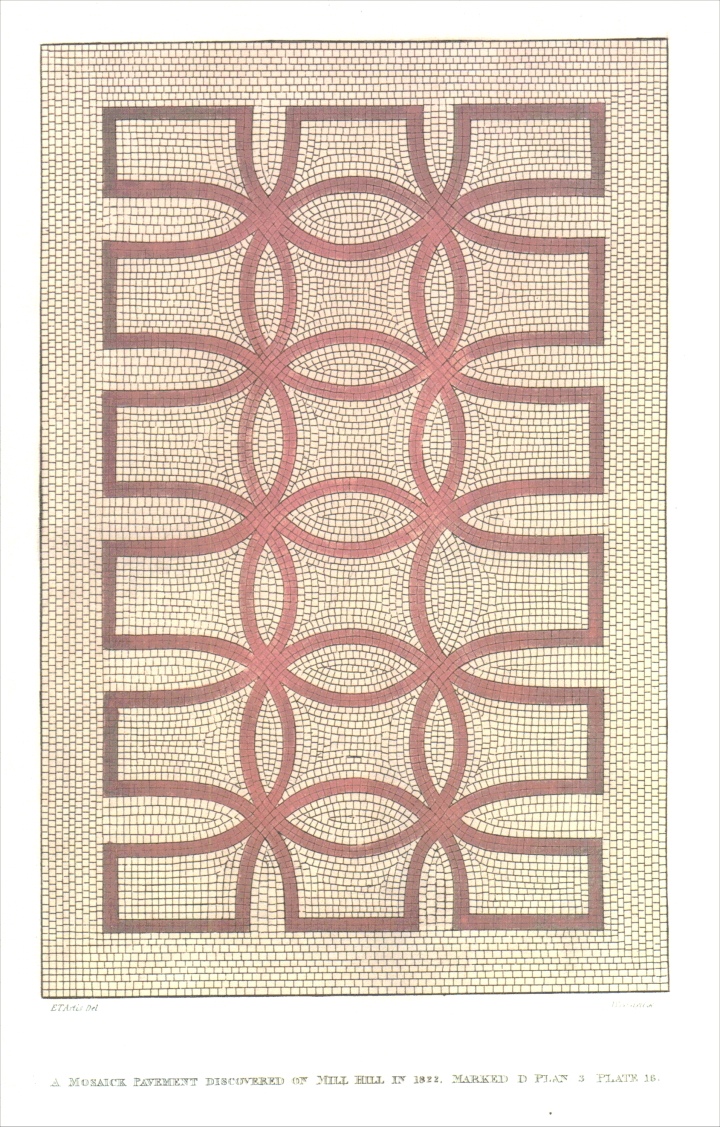
A Mosaic Pavement discovered on Mill Hill

Ref No Plate 21
Subject A Mosaic Pavement discovered on Mill Hill in 1822, marked D, Plan 3. Pl. 16.
Detail
Document The Durobrivae of Antonius identified and illustrated in a series of plates


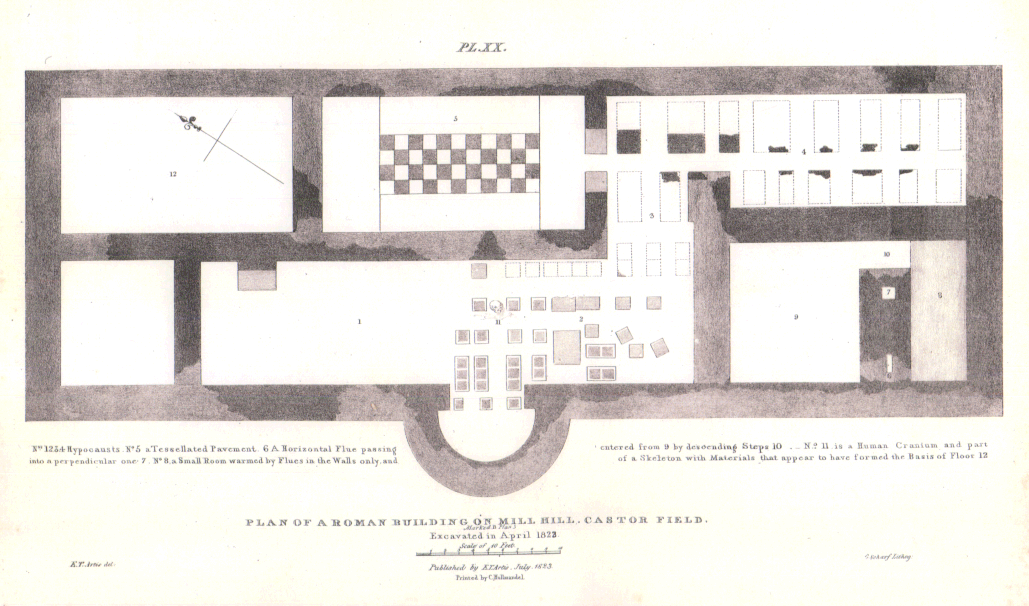
Plan of a Roman Building on Mill Hill

Ref No Plate 20
Subject Plan of a Roman Building on Mill Hill, Castor Field, marked B, Plan 3, excavated in April 1882. Nos. 1, 2, 3, 4. Hypocausts. No. 5. A Tesselated Pavement. 6. A horizontal Flue, passing into No. 7, a perpendicular one. No. 8. A small Room warmed by flues in the walls only, and entered from 9, by descending steps 10. No. 11. is a Human Cranium, and part of a Skeleton, with materials that appear to have formed the basis of Floor 12.
Detail
Document The Durobrivae of Antonius identified and illustrated in a series of plates

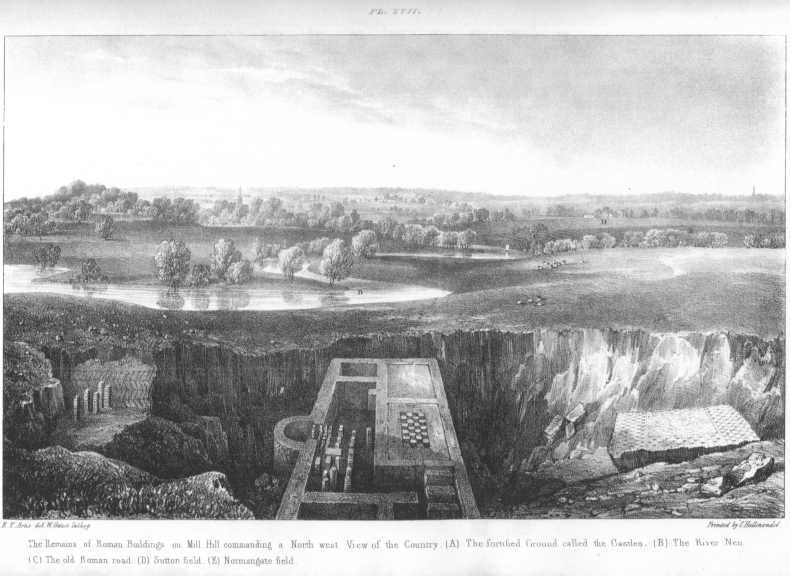
The remains of Roman Buildings on Mill Hill.

Ref No Plate 17
Subject The remains of Roman Buildings on Mill Hill, commanding a north-west view of the country. A. The Fortified Ground called the Castles. B. The River Nen. C. The Old Roman Road. D. Sutton Field. E. Normangate Field.
Detail
Document The Durobrivae of Antonius identified and illustrated in a series of plates

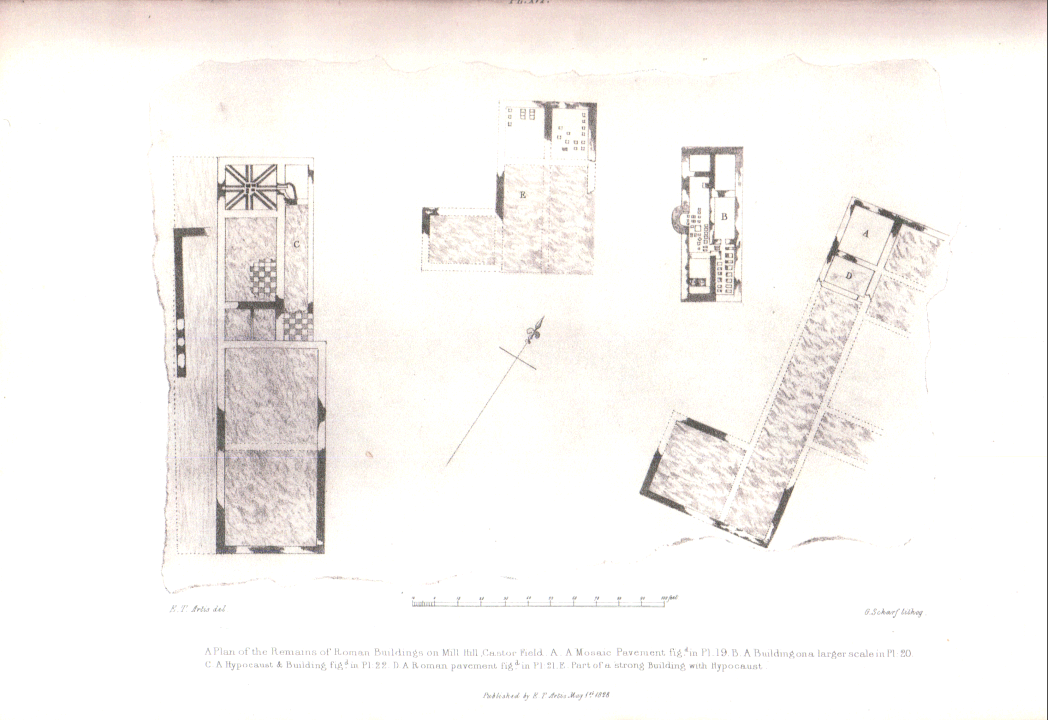
A Plan of the remains of Roman Buildings on Mill Hill, Castor Field.

Ref No Plate 16
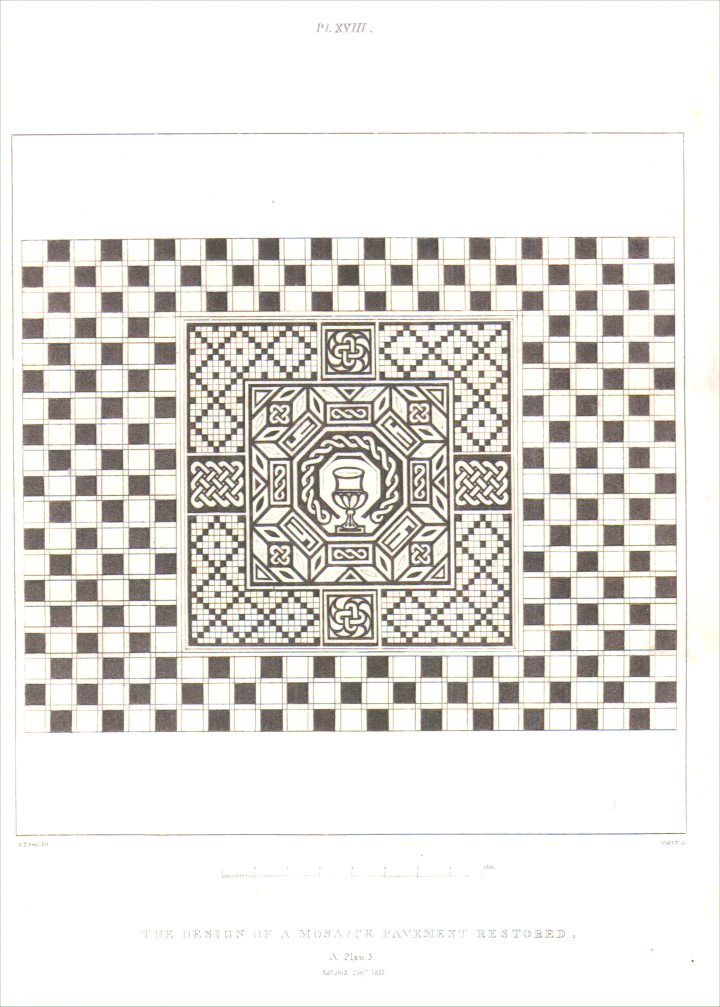
Subject A Plan of the remains of Roman Buildings on Mill Hill, Castor Field. A. is a Mosaic Pavement figured in Pl. 19. B. A Building on a larger scale in Pl. 20. C. A Hypocaust and building figured in Plate 22. D. A Roman Pavement, figured in Plate 21. E. A strong Roman Building, with Hypocaust.
Detail
Document The Durobrivae of Antonius identified and illustrated in a series of plates

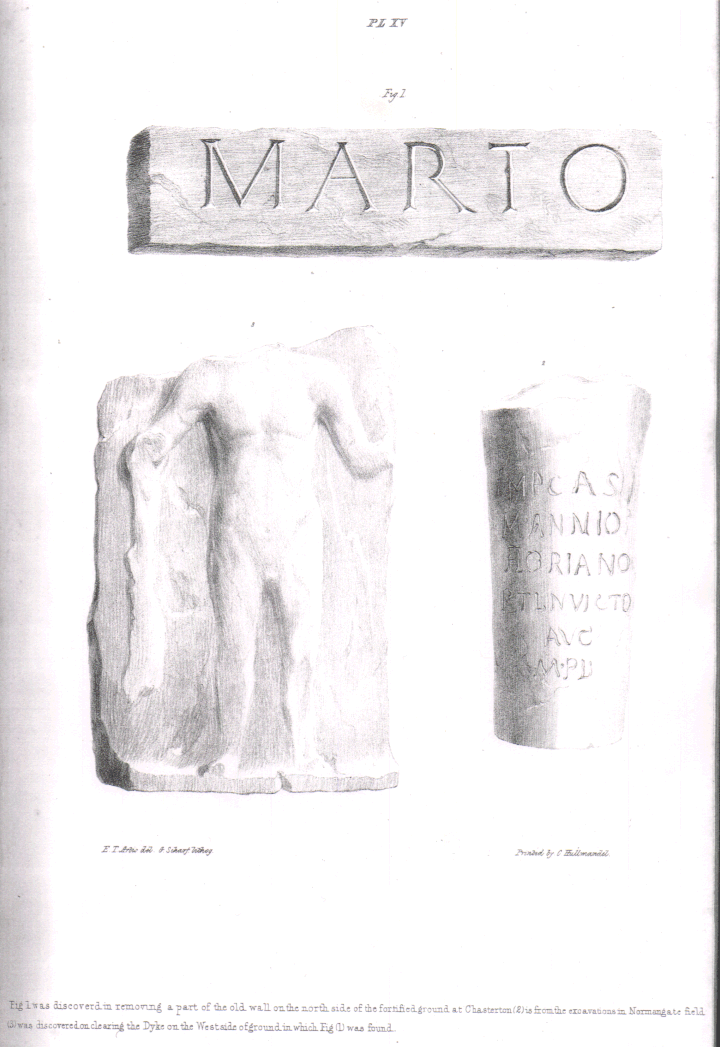
Items excavated and discovered from Chasterton, Normangate field and dyke

Ref No Plate 15
Subject Fig. 1, was discovered in removing a part of the old wall on the north side of the fortified ground at Chasterton. 2, is from the excavations in Normangate field. 3, was discovered on clearing the dyke on the west side of the ground in which Fig. 1. was found.
Detail
Document The Durobrivae of Antonius identified and illustrated in a series of plates

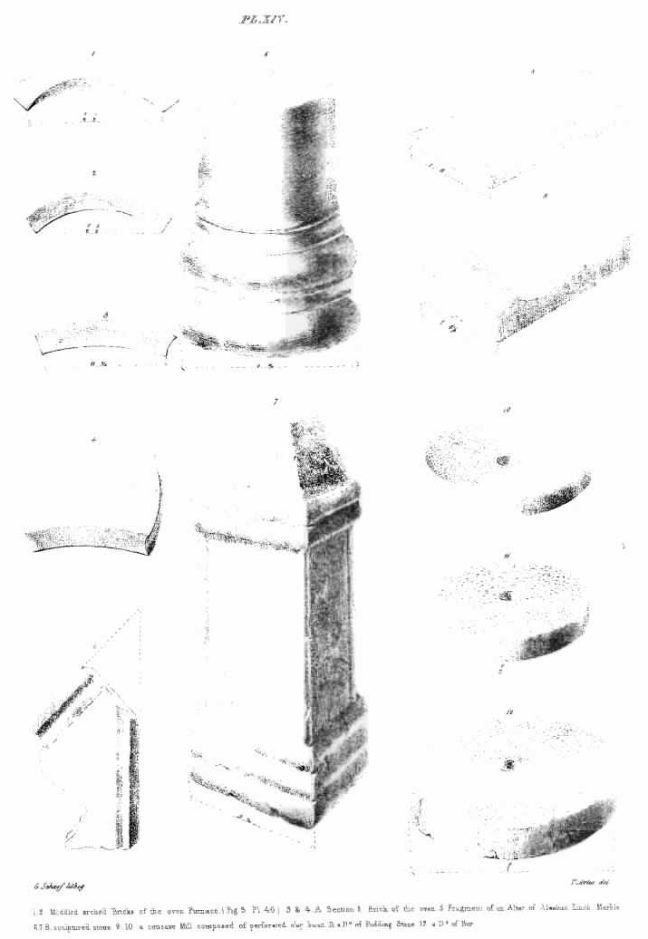
Oven Furnace, Fragment of an Altar of Allwalton Linch Marble and other images

Ref No Plate 14
Subject Nos 1, 2. Moddled arched Bricks of the Oven Furnace, Fig. 3. Plate 40. 3 & 4. A Section and Brick of the Oven, Fig. 3. Plate 40. 5. Fragment of an Altar of Allwalton Linch Marble. 6, 7, 8. Sculptured Stone. 9, 10. A concave Mill composed of perforated Clay burnt. 11. A ditto of Pudding-Stone. 12. A ditto of Bur.
Detail
Document The Durobrivae of Antonius identified and illustrated in a series of plates

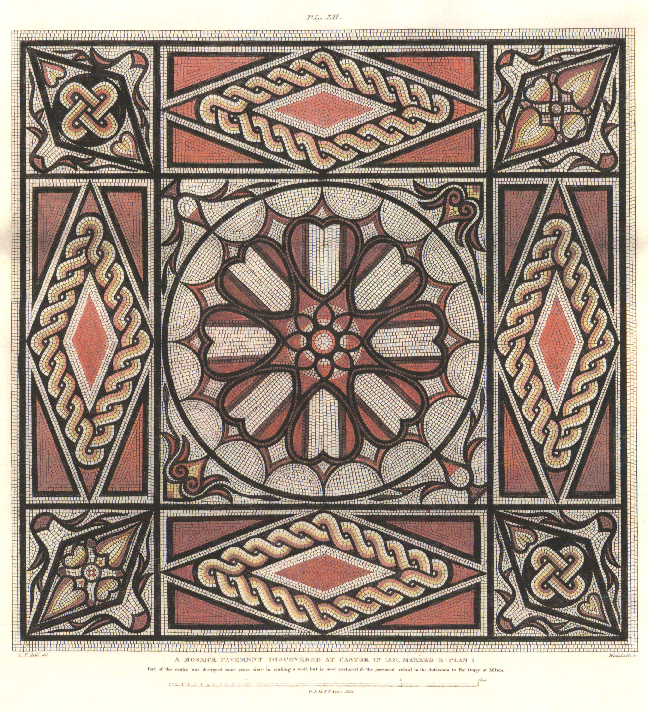
A Mosaic Pavement, discovered at Castor, in 1821.

Ref No Plate 12
Subject A Mosaic Pavement, discovered at Castor, in 1821, marked E, plan 1. Part of the centre was destroyed, some years since, in sinking a well, but is now restored, and the pavement relaid in the ante-room to the Dairy at Milton.
Detail
Document The Durobrivae of Antonius identified and illustrated in a series of plates