
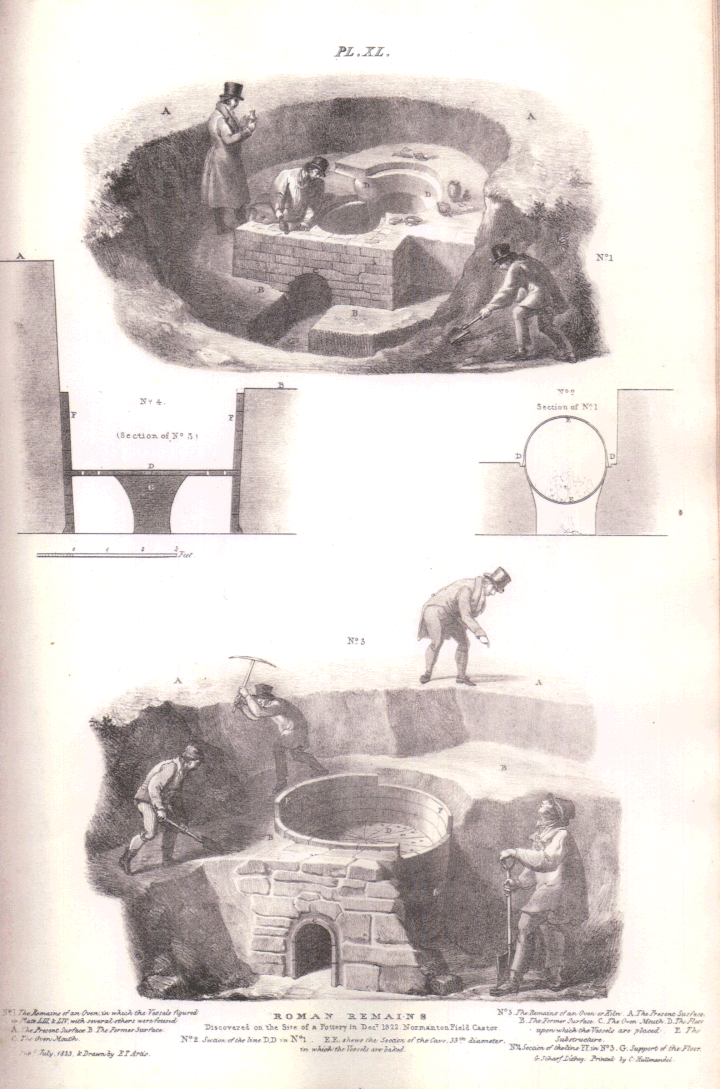
Roman Remains, discovered on the site of a Pottery in Dec. 1822, in Normangate field, Castor.

Ref No Plate 40
Subject Roman Remains, discovered on the site of a Pottery in Dec. 1822, in Normangate field, Castor.
Detail No. 1. The remains of an Oven, in which the vessels figured in Plates 53 and 54, with several others, were found. A. The present surface. B. The formaer surface. C. The Oven Mouth. No. 2. Section of the line D. D. in No. 1. E. E. shews the Section of the Cave thirty-three inches in diameter, in which the vessels are baked. No 3 The remains of an Oven or Kiln. A. The present surface. B. The former Surface. C. The Oven Mouth. D. The Floor upon which the vessels are placed. F. The Substructure. No. 4. Section of the line F. F. in No. 3. G. Support of the Floor.
Document The Durobrivae of Antonius identified and illustrated in a series of plates
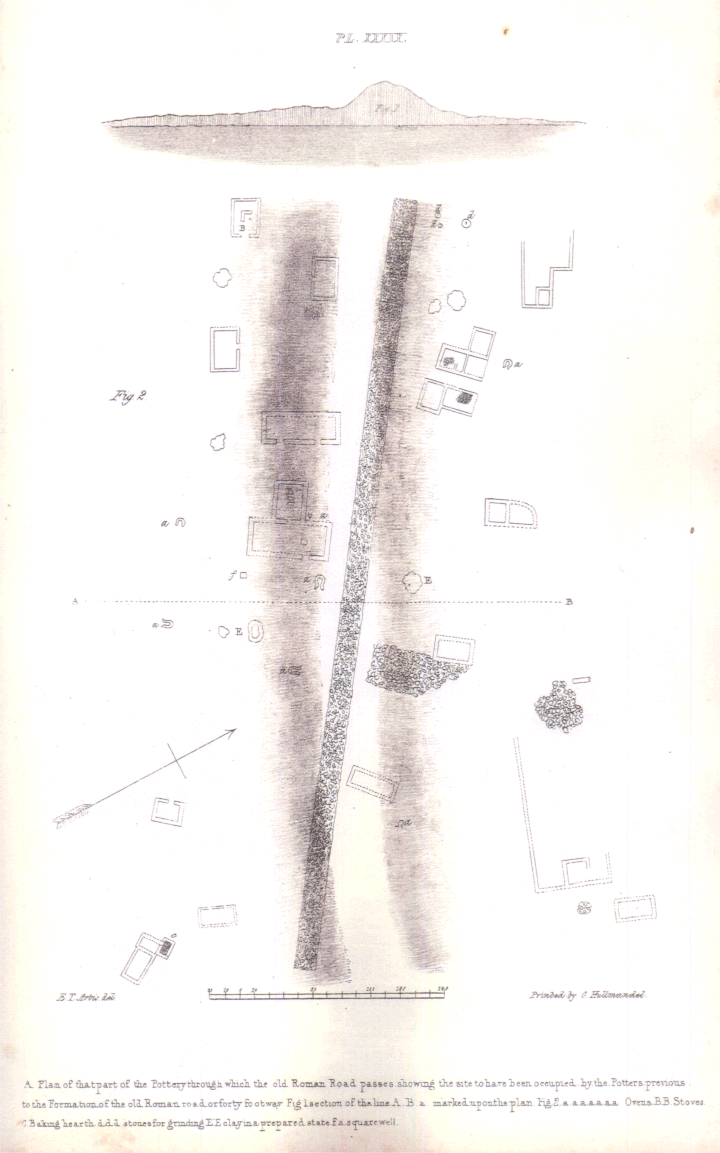
A Plan of that part of the Pottery through which the pld Roman road passes

Ref No Plate 39
Subject A Plan of that part of the Pottery through which the pld Roman road passes
Detail Showing the site to have been occupied by the Potters, previous the formation of the old Roman road or forty foot way. Fig. 1. is a Section of the line A. B. and marked upon the Plan. Fig.2, a, a, a, a, a, a, a, Ovens. B. B. Stoves. C. Baking Hearth. d, d, d. Stones for grinding. E. E. Clay in a prepared state. f. A square Well.
Document The Durobrivae of Antonius identified and illustrated in a series of plates

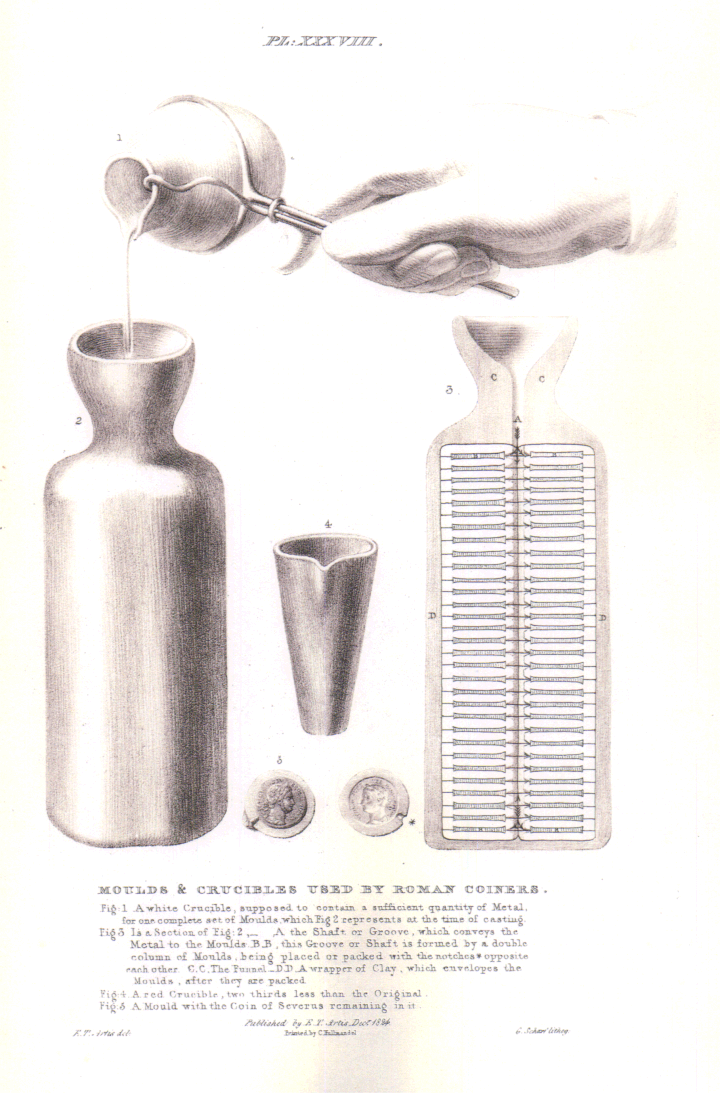
Moulds and Cruicibles used by Roman coiners.

Ref No Plate 38
Subject Moulds and Cruicibles used by Roman coiners.
Detail Moulds and Cruicibles used by Roman coiners. Fig. 1, A white Crucible, supposed to contain a sufficient quantity of metal for one complete set of moulds, which Fig. 2, represents at the time of casting. Fig.3, is a section of Fig. 2.-A. The Shaft or Grove which conveys the metal to the moulds B. B. This grove or shaft is formaed by a doulbe column of moulds being placed or packed with notches opposite each other. C. C. The Funnel. D. D. A wrapper of clay, which envelopes the moulds, after they are packed. Fig. 4. A red Crucible, two thirds less than the original. Fig. 3. A Mould, with the coin of Severus remaining in it.
Document The Durobrivae of Antonius identified and illustrated in a series of plates

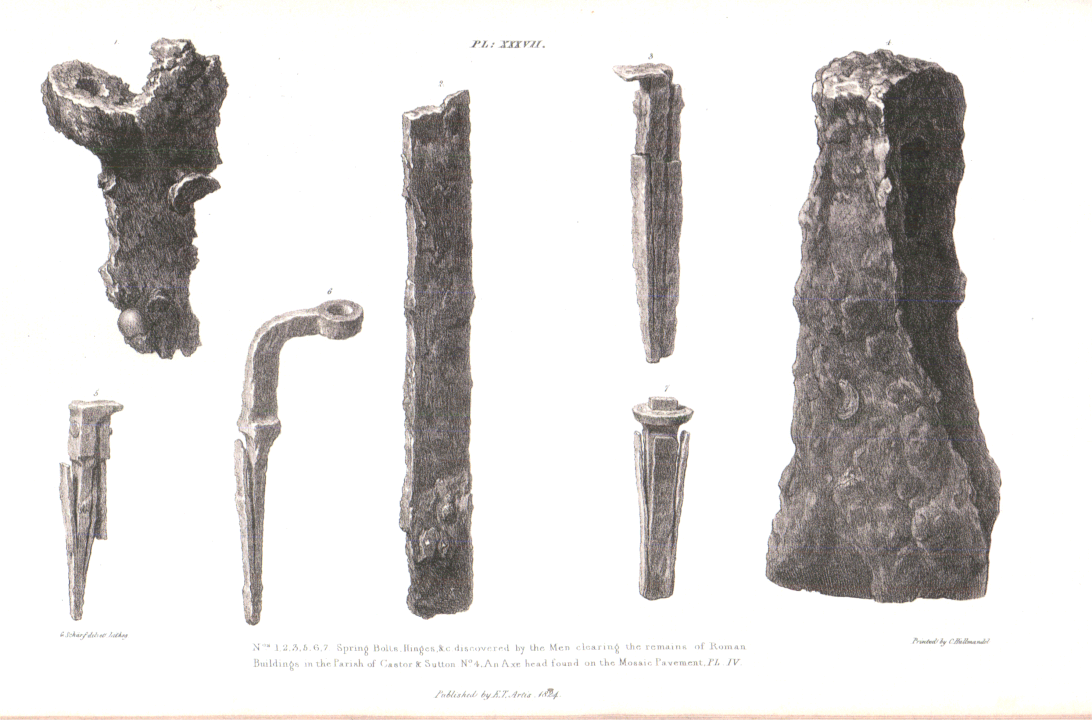
Items discovered by the men when clearing the remains of Roman Buildings, in the parished of Castor and Sutton

Ref No Plate 37
Subject Items discovered by the men when clearing the remains of Roman Buildings, in the parished of Castor and Sutton
Detail Nos. 1, 2, 3, 5, 6, 7. Spring Bolts, Hinges, &c. discovered by the men when clearing the remains of Roman Buildings, in the parished of Castor and Sutton. No. 4. An Axe-head, found on the Mosaic Pavement, Pl. 4.
Document The Durobrivae of Antonius identified and illustrated in a series of plates

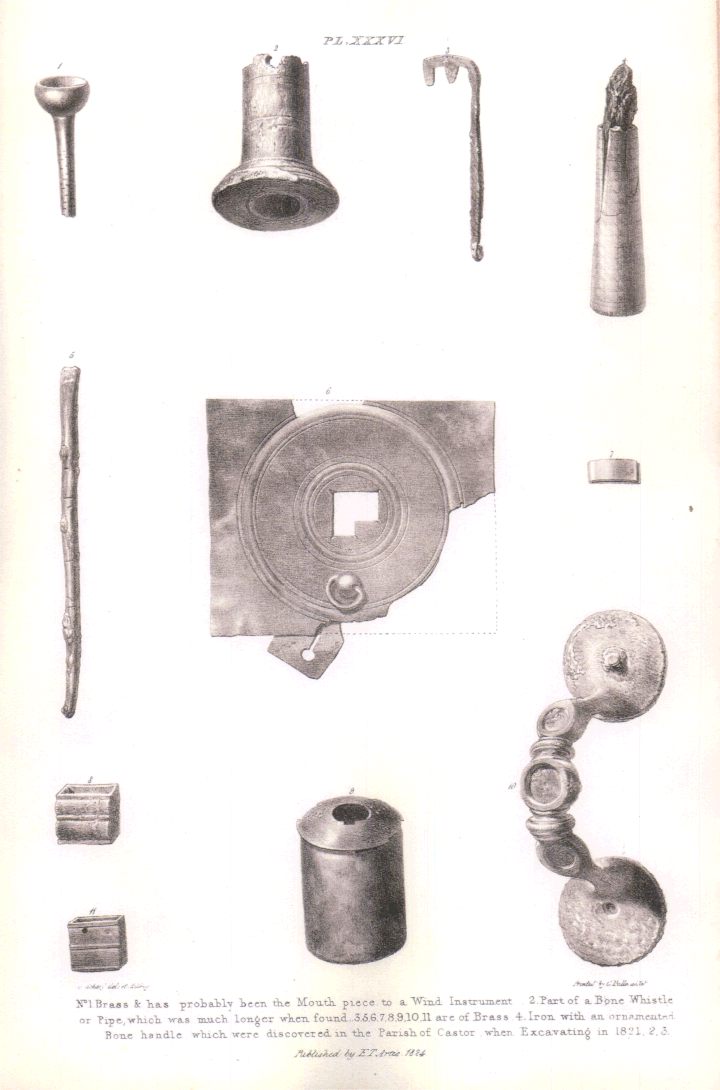
Items found whilst excavating in the years of 1821, 1822, and 1823

Ref No Plate 36
Subject Items found whilst excavating in the years of 1821, 1822, and 1823
Detail No. 1. Brass, and has probably been the mouth-piece to a wind instrument. 2. Part of a Bone Whistle or Pipe, which was much longer when found. 3, 5, 6, 7, 8, 9, 10, 11, are of brass. 4. Iron, with an ornamented bone handle, which was discovered in the parish of Castor, when excavating in the years of 1821, 1822, and 1823.
Document The Durobrivae of Antonius identified and illustrated in a series of plates

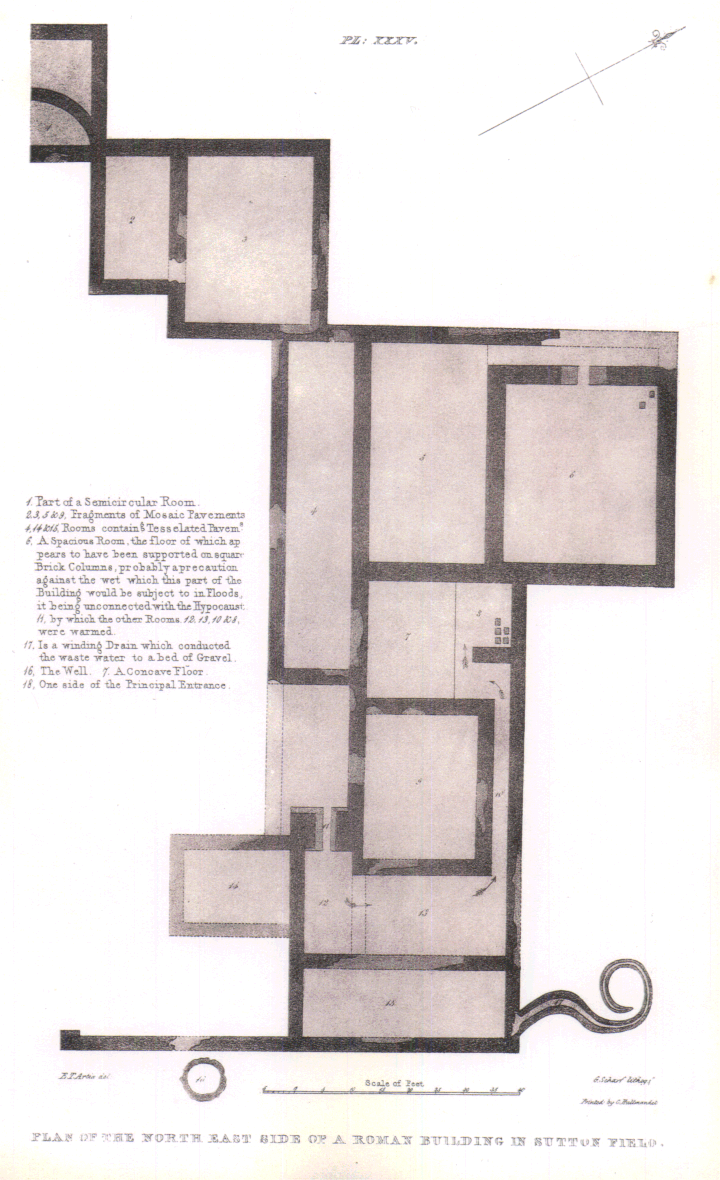
Plan of the North-east side of a Roman Building in Sutton field.

Ref No Plate 35
Subject Plan of the North-east side of a Roman Building in Sutton field.
Detail 1. Part of a semicircular Room. 2, 3, 5, and 9. Fragments of Mosaic Pavements. 4, 14, and 15. Rooms containing Tesselated Pavements. 6. A spacious Room, the floor of which appears to have been supported on square brick columns, probably a precaution against the wet which this part of the building would be subject to in floods, it being unconnected with the Hypocaust 11, by which the other rooms, 12, 13, 10, and 8, were warmed. 17, is a winding drain which conducted the waste water to a bed of Gravel. 16. The Well. 7, A Concave Floor. 18. One side of the principal entrance.
Document The Durobrivae of Antonius identified and illustrated in a series of plates

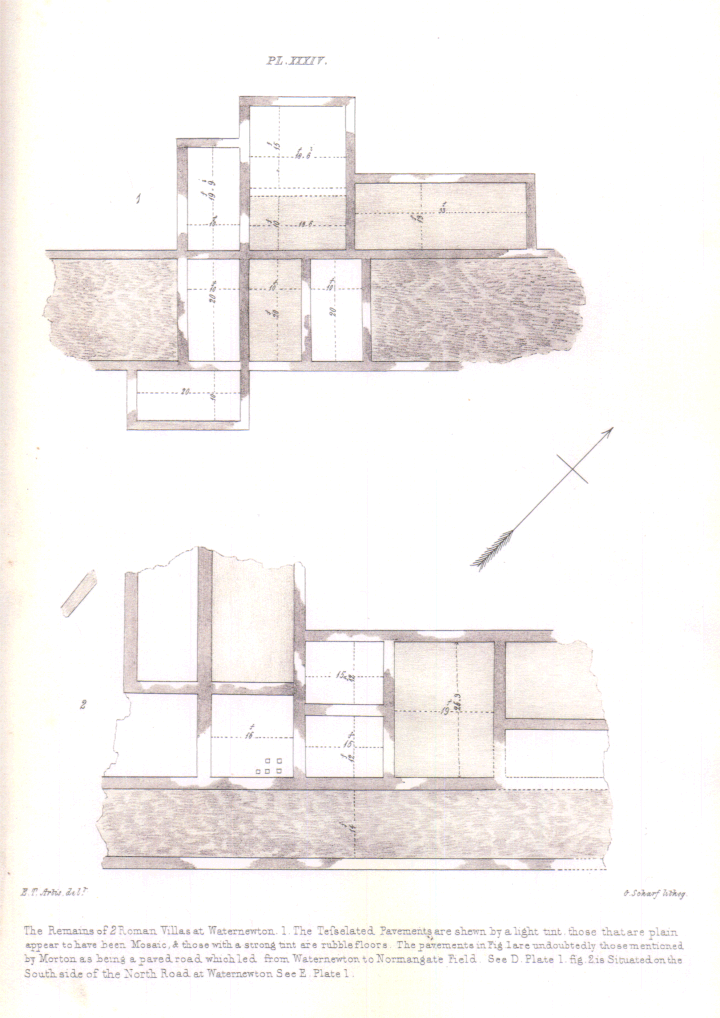
The Remains of two Roman Villas at Waternewton.

Ref No Plate 34
Subject The Remains of two Roman Villas at Waternewton. 1. The Tesselated Pavements are shown by a light tint; those that are plain appear to have been Mosaic, and those with a strong tint are rubble floors; the Pavements in Fig. 1. are undoubtedly those mentioned by Morton as being a part of a paved road which led from Waternewton to Normangate field; see D. Pl1. Fig. 2, is situated on the South side of the North Road at Waternewton; see E. Pl. 1.
Detail
Document The Durobrivae of Antonius identified and illustrated in a series of plates


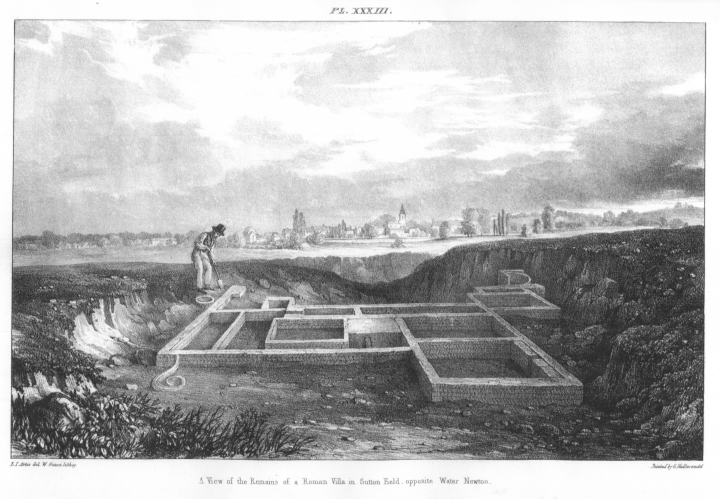
A View of the Remains of a Roman Villa.

Ref No Plate 33
Subject A View of the Remains of a Roman Villa in Sutton field, opposite Waternewton.
Detail
Document The Durobrivae of Antonius identified and illustrated in a series of plates


Fresco Painting

Ref No Plate 32
Subject A Fresco Painting, from the wall of a Roman Bath in Normangate field, marked A. in the general plan, 1826.
Detail
Document The Durobrivae of Antonius identified and illustrated in a series of plates


The Fragment of a Mosaic Pavement

Ref No Plate 19
Subject The Fragment of a Mosaic Pavement, discovered on Mill Hill, Castor Field, March 25th, 1822, marked A. in Plan 3. on a scale of one inch and a half to the foot.
Detail
Document The Durobrivae of Antonius identified and illustrated in a series of plates